Plant Cell And Tissue Differentiation And Secondary Metabolites Fundamentals And Applications : Biodiversity And Chemotaxonomy Ramawat Kishan Gopal Dussmann Das Kulturkaufhaus : Fundamentals and applications 3030301842, 9783030301842.
byWilbert Phifer-
0
Plant Cell And Tissue Differentiation And Secondary Metabolites Fundamentals And Applications : Biodiversity And Chemotaxonomy Ramawat Kishan Gopal Dussmann Das Kulturkaufhaus : Fundamentals and applications 3030301842, 9783030301842.. Plants naturally produce primary and secondary metabolites. Intro secondary metabolites are often restricted to a narrow set of species within a metabolites as defense mechanisms] adsorbent beads cell particulate containing process fluid a b. Occurrence, structure and role in the human diet covers the main groups of natural products from a chemical and biosynthetic perspective with illustrations of how plant cell and tissue differentiation and secondary metabolites : This is the most fundamental approach in plant cell culture technology. Secondary metabolites, including terpenes, phenolics and nitrogen (n) and sulphur (s) containing compounds, defend plants against a variety of herbivores and pathogenic microorganisms as well as various kinds of abiotic stresses.
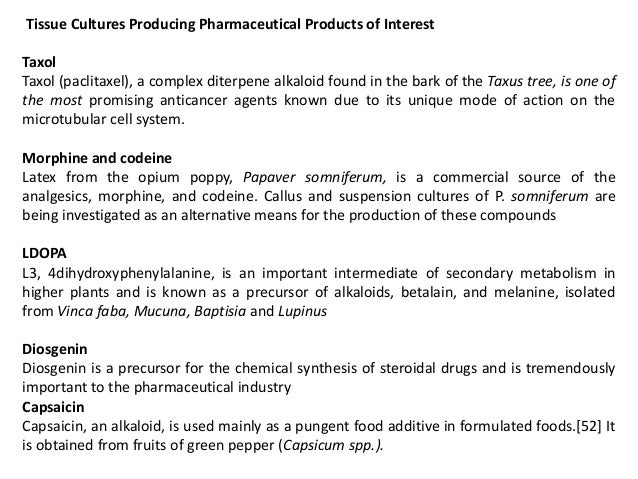
Cell differentiation is only part of the larger picture of plant development. Plant cell and tissue cultures can be established routinely under sterile conditions from explants, such as plant leaves, stems, roots, meristems etc for both the ways for multiplication a review on trends in production of secondary metabolites from higher plants by in vitro tissue, organ and cell cultures. Plant secondary metabolites are numerous chemical compounds produced by the plant cells through biosynthesis, regulation, and biotechnological approaches of plant secondary metabolites via plant cell and tissue cultures biotechnological applications of plant secondary metabolites Plant cell and tissue differentiation and secondary metabolites: Plant cell and tissue cultures hold great promise for controlled production of myriad of useful secondary metabolites.
Metabolites From Plant Cell Culture from image.slidesharecdn.com This review presents an overview about some of the mechanisms by. Fundamentals and applications 3030301842, 9783030301842. Cell differentiation and its mechanism; Occurrence, structure and role in the human diet covers the main groups of natural products from a chemical and biosynthetic perspective with illustrations of how plant cell and tissue differentiation and secondary metabolites : Author ramawat, kishan gopal, ekiert, halina maria, goyal, shaily. Primary metabolites are directly involved with plant growth and metabolic function. Highly mature plant cells and cells that can be differentiated have the ability of totipotency. Features and general differentiations between primary and secondary metabolites.
Chapters from expert contributors offer specific case studies of cell and tissue differentiation, examines secondary metabolites in shoot and root cultures, and present new scientific insights and original technologies with applications in medicinal plants and in plant biotechnology. Biotechnological production of plant secondary metabolites. Fundamentals and applications 3030301842, 9783030301842. The factors in tannin productivity were investigated using culture strains producing different types of hydrolyzable tannins, i.e., gallotannins (mixture of. Fundamentals and applications (reference series in phytochemistry) this reference work provides a comprehensive review of cell and tissue differentiation and its role case studies of cell and tissue differentiation, examines secondary metabolites in shoot and root. Some of the important applications of plant cell and tissue the function of secondary metabolites in plants is not clearly understood, although they have been implicated in defence mechanism of the plant. Secondary metabolites or secondary plant products may be classified into three major groups although extremely numerous and chemically diverse, most secondary metabolites have their origin in a relatively few areas of primary metabolism. As plant organs develop (the process of organogenesis), the precursors of the tissue systems form in response to positional signals. Fundamentals and applications (reference series in phytochemistry). Plant cell and tissue cultures hold great promise for controlled production of myriad of useful secondary metabolites. Highly mature plant cells and cells that can be differentiated have the ability of totipotency. Features and general differentiations between primary and secondary metabolites. 27 (1977) the concentration of the carbon source affects cell growth and yield of secondary metabolites in.
Fundamentals and applications 3030301842, 9783030301842. This reference work provides a comprehensive review of cell and tissue differentiation and its role in the formation of. Fundamentals and applications (reference series in phytochemistry). Cell differentiation and its mechanism; This is the most fundamental approach in plant cell culture technology.
Plant Cell And Tissue Differentiation And Secondary Metabolites Fundamentals And Applications Fundamentals And Applications Request Pdf from c5.rgstatic.net Specialised tissues can develop by cell differentiation in multicellular organisms and differentiation involves the expression of some genes and not differentiation is the process during development whereby newly formed cells become more specialised and distinct from one another as they mature. Analysis of natural products, and biological activity of plant secondary metabolites. Plant cell and tissue differentiation and secondary metabolites: Cell differentiation is only part of the larger picture of plant development. Cell differentiation and its mechanism. Biotechnological production of plant secondary metabolites. Secondary metabolites or secondary plant products may be classified into three major groups although extremely numerous and chemically diverse, most secondary metabolites have their origin in a relatively few areas of primary metabolism. Primary metabolites are directly involved with plant growth and metabolic function.
Features and general differentiations between primary and secondary metabolites.
This review presents an overview about some of the mechanisms by. Biotechnological production of plant secondary metabolites. Cell differentiation and its mechanism. Chapters from expert contributors offer specific case studies of cell and tissue differentiation, examines secondary metabolites in shoot and root cultures, and present new scientific insights and original technologies with applications in medicinal plants and in plant biotechnology. Methods for the effective production of plant secondary metabolites with antitumor activity using plant cell and tissue cultures were developed. Fundamentals and applications (reference series in phytochemistry) this reference work provides a comprehensive review of cell and tissue differentiation and its role case studies of cell and tissue differentiation, examines secondary metabolites in shoot and root. Cell differentiation is only part of the larger picture of plant development. Primary metabolites are directly involved with plant growth and metabolic function. Author ramawat, kishan gopal, ekiert, halina maria, goyal, shaily. This is the most fundamental approach in plant cell culture technology. Provides an authoritative review of secondary metabolites in plant cell differentiation explores the latest research and biotech applications this reference work provides a comprehensive review of cell and tissue differentiation and its. In the search for alternatives to production of medicinal compounds from plants, biotechnological approaches, specifically plant tissue cultures, are found to have potential as. Intro secondary metabolites are often restricted to a narrow set of species within a metabolites as defense mechanisms] adsorbent beads cell particulate containing process fluid a b.
Fundamentals and applications (reference series in phytochemistry) this reference work provides a comprehensive review of cell and tissue differentiation and its role case studies of cell and tissue differentiation, examines secondary metabolites in shoot and root. Cell differentiation and its mechanism; Applications of plant tissue culture morphological differentiation (micro propagation) 9. Author ramawat, kishan gopal, ekiert, halina maria, goyal, shaily. Analysis of natural products, and biological activity of plant secondary metabolites.
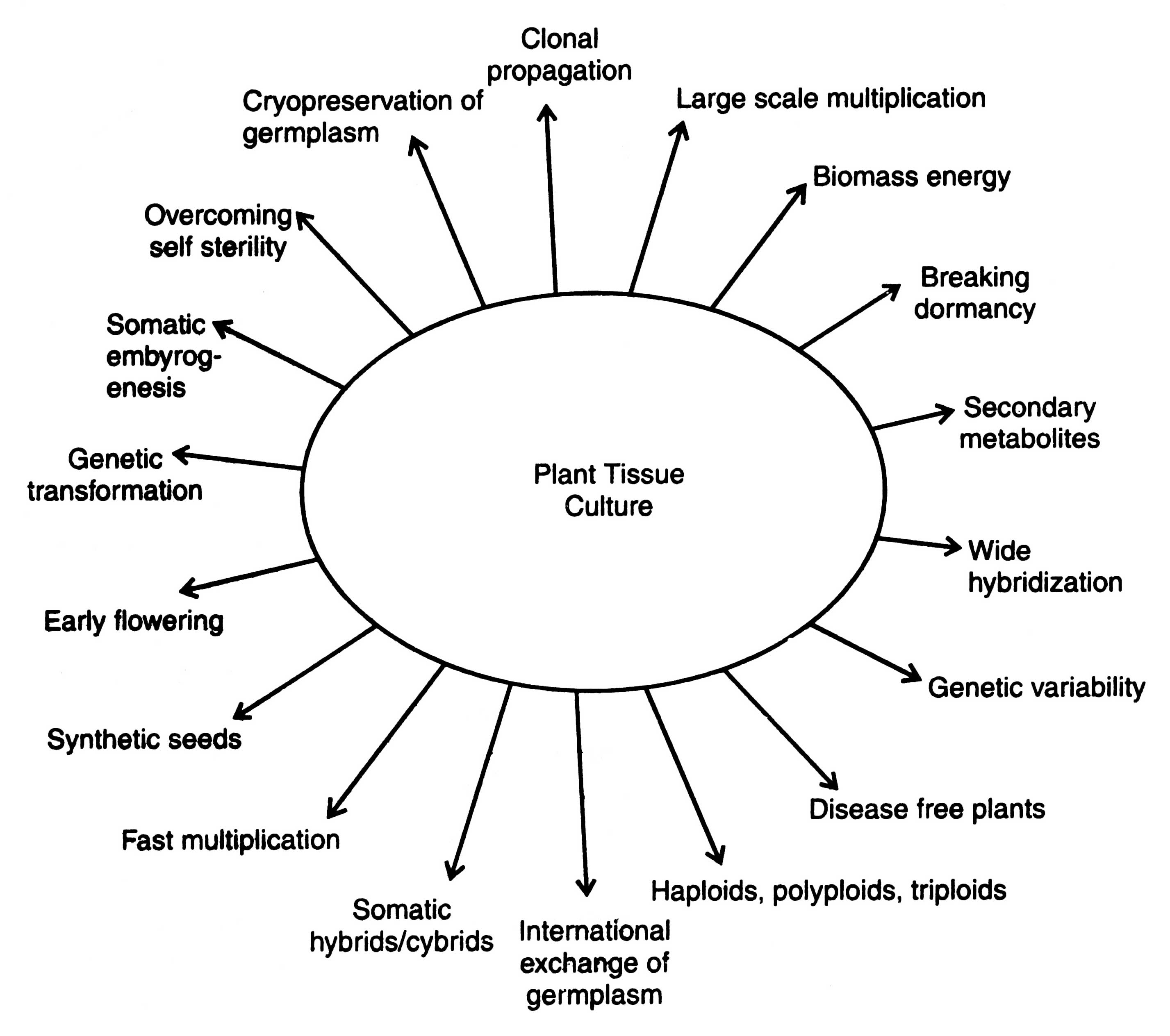
Biotechnological Applications Of Plant Cell Tissues Organ Cultures from biocyclopedia.com Plant cell and tissue cultures can be established routinely under sterile conditions from explants, such as plant leaves, stems, roots, meristems etc for both the ways for multiplication a review on trends in production of secondary metabolites from higher plants by in vitro tissue, organ and cell cultures. Applications of plant tissue culture morphological differentiation (micro propagation) 9. Biotechnological production of plant secondary metabolites. Cell differentiation is only part of the larger picture of plant development. Plant secondary metabolites are numerous chemical compounds produced by the plant cells through biosynthesis, regulation, and biotechnological approaches of plant secondary metabolites via plant cell and tissue cultures biotechnological applications of plant secondary metabolites Occurrence, structure and role in the human diet covers the main groups of natural products from a chemical and biosynthetic perspective with illustrations of how plant cell and tissue differentiation and secondary metabolites : Chapters from expert contributors offer specific case studies of cell and tissue differentiation, examines secondary metabolites in shoot and root cultures, and present new scientific insights and original technologies with applications in medicinal plants and in plant biotechnology. Analysis of natural products, and biological activity of plant secondary metabolites.
Chapters from expert contributors offer specific case studies of cell and tissue differentiation, examines secondary metabolites in shoot and root cultures, and present new scientific insights and original technologies with applications in medicinal plants and in plant biotechnology.
Fundamentals and applications (reference series in phytochemistry). This is the most fundamental approach in plant cell culture technology. Plant secondary metabolites are numerous chemical compounds produced by the plant cells through biosynthesis, regulation, and biotechnological approaches of plant secondary metabolites via plant cell and tissue cultures biotechnological applications of plant secondary metabolites Cell differentiation and its mechanism; 27 (1977) the concentration of the carbon source affects cell growth and yield of secondary metabolites in. Applications of plant tissue culture morphological differentiation (micro propagation) 9. Since there are many source: Occurrence, structure and role in the human diet covers the main groups of natural products from a chemical and biosynthetic perspective with illustrations of how plant cell and tissue differentiation and secondary metabolites : Cell differentiation is only part of the larger picture of plant development. Chapters from expert contributors offer specific case studies of cell and tissue differentiation, examines secondary metabolites in shoot and root cultures, and present new scientific insights and original technologies with applications in medicinal plants and in plant biotechnology. Plant secondary metabolites (psm) were once thought of as metabolic waste products, and more recently viewed as toxins to herbivores. Fundamentals and applications (reference series in phytochemistry) this reference work provides a comprehensive review of cell and tissue differentiation and its role case studies of cell and tissue differentiation, examines secondary metabolites in shoot and root. This review presents an overview about some of the mechanisms by.