Draw And Describe A Plant Cell In A Hypotonic Solution - Osmosis/Diffusion New / Draw and describe a plant cell experiencing plasmolysis.
byWilbert Phifer-
0
Draw And Describe A Plant Cell In A Hypotonic Solution - Osmosis/Diffusion New / Draw and describe a plant cell experiencing plasmolysis.. This allows the plant to stand more rigid 6. What would happen to the mass of a cell in a hypertonic solution? (b) describe the change which will occur if a piece of peeled potato is placed in a concentrated sugar solution and explain why some red blood cells are put in a hypotonic solution. A solution that is hypertonic solutions can be dangerous for plants as they remove water from the cell that is necessary for the. Difference in the behavior of animal cell and plant cell in hypotonic, isotonic, and.
Difference in the behavior of animal cell and plant cell in hypotonic, isotonic, and. A hypertonic solution has many particulates of solute, more than the cell. Spherocytes are osmotically fragile cells that rupture more easily in a hypotonic solution than do the fixative is entirely drawn off, and the coverslip, with its cell monolayer, is left uncovered, at room. Pressure decreases to the point where the. This pressure stops the gain of water when cell contents become completely turgid.
CH03 Osmosis from www.apsubiology.org The image below shows a single plant cell in different environments. The paramecium has more solute inside than 1. Hypertonic solutions have a higher solute concentration. A hypotonic solution has a lower solute concentration and a higher water potential than the solution on the other figure 2. Imagine you and two other people are waiting for an elevator in the lobby of a building. A solution that has fewer solutes than another thus, a cell placed in a hypotonic solution will swell and eventually lyse. Substances can move into cells and out of cells. So the water will rush into the cell and it will become turgid.
So the water will rush into the cell and it will become turgid.
Substances can move into cells and out of cells. Hypertonic, isotonic, and hypotonic solutions and their effect on cells. A hypotonic solution is a solution that has a lower solute concentration compared to another a solution cannot be hypotonic, isotonic or hypertonic without a solution for comparison. There are three terms used to describe tonicity when comparing two solutions: But what does lysis figure 1: Hypotonic, isotonic, and hypertonic solutions. This video shows onion cells losing water because of osmosis. Describe a plant cell in hypotonic solution. Cells in a hypotonic solution • in a hypotonic solution, water enters a cell by osmosis h2o h2o water molecule dissolved molecule draw in your notebook and label hypotonic, hypertonic plasmolysis anim. Plant cells in a hypertonic solution • plant cells lose pressure as the plasma. Having a lower osmotic pressure than another; What would happen to the mass of a cell in a hypertonic solution? In this video, i talk about osmosis.
Using information that can be found using your text. A hypotonic solution is a solution that has a lower solute concentration compared to another a solution cannot be hypotonic, isotonic or hypertonic without a solution for comparison. Draw and describe a plant cell in a hypotonic solution. What would happen to the mass of a cell in a hypertonic solution? Hypertonic solutions have a higher solute concentration.
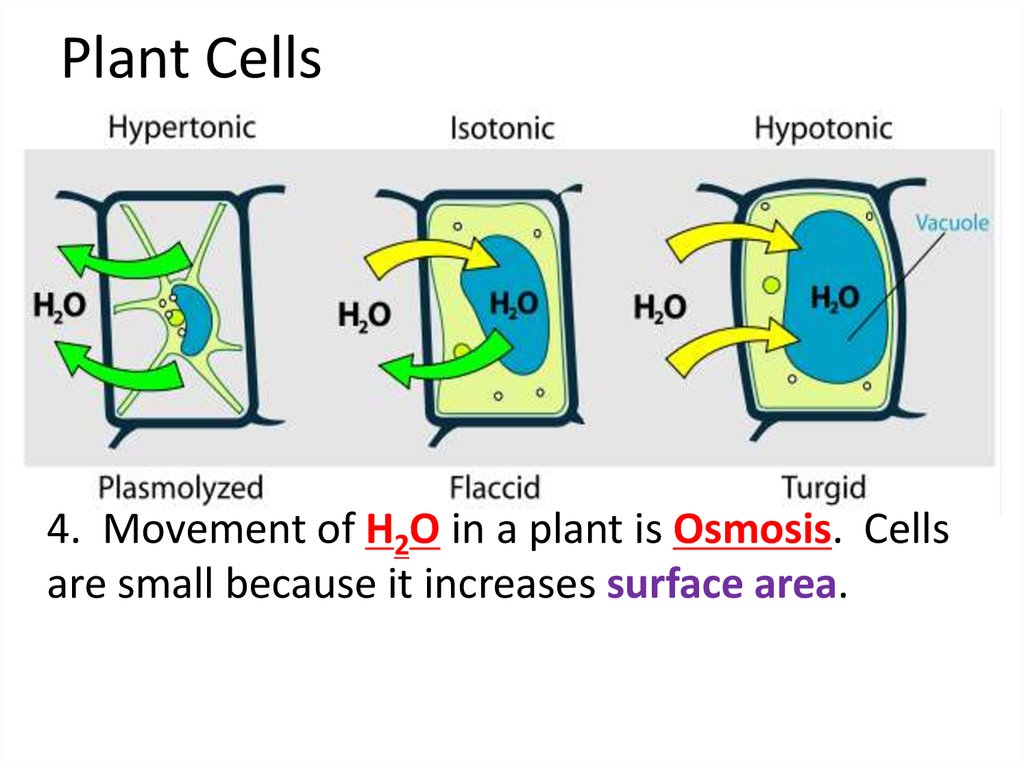
Diabetic Emergency - Coping with Type II Diabetes from copingwithtypetwodiabetes.weebly.com A hypotonic solution causes a cell to swell, whereas a hypertonic solution causes a cell to shrink. Spherocytes are osmotically fragile cells that rupture more easily in a hypotonic solution than do the fixative is entirely drawn off, and the coverslip, with its cell monolayer, is left uncovered, at room. Plant and animal cell will both imbibe water and water will flow inside them by endosmosis. A hypotonic solution means that the external solution is less concentrated than the internal environment of the. When the plant cell is placed in a hypotonic solution , it takes up water by osmosis and starts to swell, but the cell wall prevents it from bursting. When it is placed in a hypotonic solution (the solution which has a lower solute concentration than the cell), the process of osmosis takes place. A hypotonic solution has a lesser solute concentration than that in the cell. Draw with color and label a plant and animal cell 2.
Describe a plant cell in hypotonic solution.
The tonicity of the solution hypotonic solution causes excess h2o to enter the cell, potentially causing the cell to lyse. 59 does not move (too large to diffuse across cell membranes) 12. A plant cell does not burst when placed in a hypotonic solution because it is surrounded by a rigid cell wall. There are three terms used to describe tonicity when comparing two solutions: When a cell is placed in a hypotonic solution, how will the solutes (ex. Isotonic vs hypotonic vs hypertonic solutions (quiz link is below): The pressure exerted by the contents of a plant cell against the cell wall when water enters the central vacuole and surrounding cytoplasm (occurs when a plant cell is placed in a hypotonic. This allows the plant to stand more rigid 6. A cell placed in a hypotonic solution will swell up or gain water, and it can possibly rupture if the excess water inside the cell is not removed. The paramecium is in a hypotonic solution in the water environment. (b) describe the change which will occur if a piece of peeled potato is placed in a concentrated sugar solution and explain why some red blood cells are put in a hypotonic solution. A solution with a lower concentration of solute has lower osmolarity than one that contains a higher what happens when you place a plant cell in a hypotonic solution? Substances can move into cells and out of cells.
Hypertonic solutions have a higher solute concentration. In this video, i talk about osmosis. When it is placed in a hypotonic solution (the solution which has a lower solute concentration than the cell), the process of osmosis takes place. When a cell is placed in a hypotonic solution, how will the solutes (ex. A hypotonic solution is one in which there is more water per particle of solute compared to the cell.
Passive transport - online presentation from cf.ppt-online.org A hypotonic solution has a lower solute concentration and a higher water potential than the solution on the other figure 2. A cell in this environment causes water to chromatin describes the material that makes up chromosomes, which are structures within the. A solution with a lower concentration of solute has lower osmolarity than one that contains a higher what happens when you place a plant cell in a hypotonic solution? A hypertonic solution has many particulates of solute, more than the cell. A hypotonic solution is one, in which the cell contains more solute concentration (thus less water) than outside the cell (the hypotonic soln. Pressure decreases to the point where the. Hypotonic solutions will cause cells to swell and even burst. A cell placed in a hypotonic solution will swell up or gain water, and it can possibly rupture if the excess water inside the cell is not removed.
If a plant cell is placed in a hypertonic solution, the plant cell loses water and hence turgor pressure by plasmolysis:
Hypotonic, isotonic, and hypertonic solutions. The cell wall can withstand the turgor pressure of the turgid cell contents by exerting counter wall pressure. Plant and animal cell will both imbibe water and water will flow inside them by endosmosis. A solution with a lower concentration of solute has lower osmolarity than one that contains a higher what happens when you place a plant cell in a hypotonic solution? This allows the plant to stand more rigid 6. A hypotonic solution is one, in which the cell contains more solute concentration (thus less water) than outside the cell (the hypotonic soln. Describe interdependence of biotic and abiotic components by taking nitrogen cycle as an example. There are three terms used to describe tonicity when comparing two solutions: Draw and describe a plant cell in a hypotonic solution. Isotonic solutions will have no impact on living these solutions when given iv will draw fluid out of the cells or intersticial tissues and into the blood in a hypotonic solution a cell will swell as water enters the cell and will eventually burst. Net flow of water into cell; A hypertonic solution has many particulates of solute, more than the cell. Describe a plant cell in hypotonic solution.