Anatomy Of Plant Cell And Its Function - Structure Of Generalized Cell Plant And Animal Selftution / General anatomical organization of plants.
byWilbert Phifer-
0
Anatomy Of Plant Cell And Its Function - Structure Of Generalized Cell Plant And Animal Selftution / General anatomical organization of plants.. However, plant cells also have features that animal cells do not have: It protects the cell and provides stability. They are responsible for photosynthesis , for storage. Anatomical and physiological traits are worthy of study at a lower taxonomic level as well, and are often this suggests an inherent dependency of the pathogen on the inorganic compounds for its pathogenicity, and may. 9600 garsington road, oxford ox4 2dq, uk.
Plant anatomy is the study of plant tissues and cells in order to learn more about the way these organisms are constructed and how they work. Plant anatomy is the study of the tissue and cell structure of plant organs. The cells that compose these complexes are called guard cells and subsidiary cells. This booklet will introduce you to plant cells and the names and functions of their structures and then go on to look at the internal anatomical structures of dicot and monocot plants and how they relate to the appearance and management of a. A cell wall , a large central vacuole , and plastids such as chloroplasts.
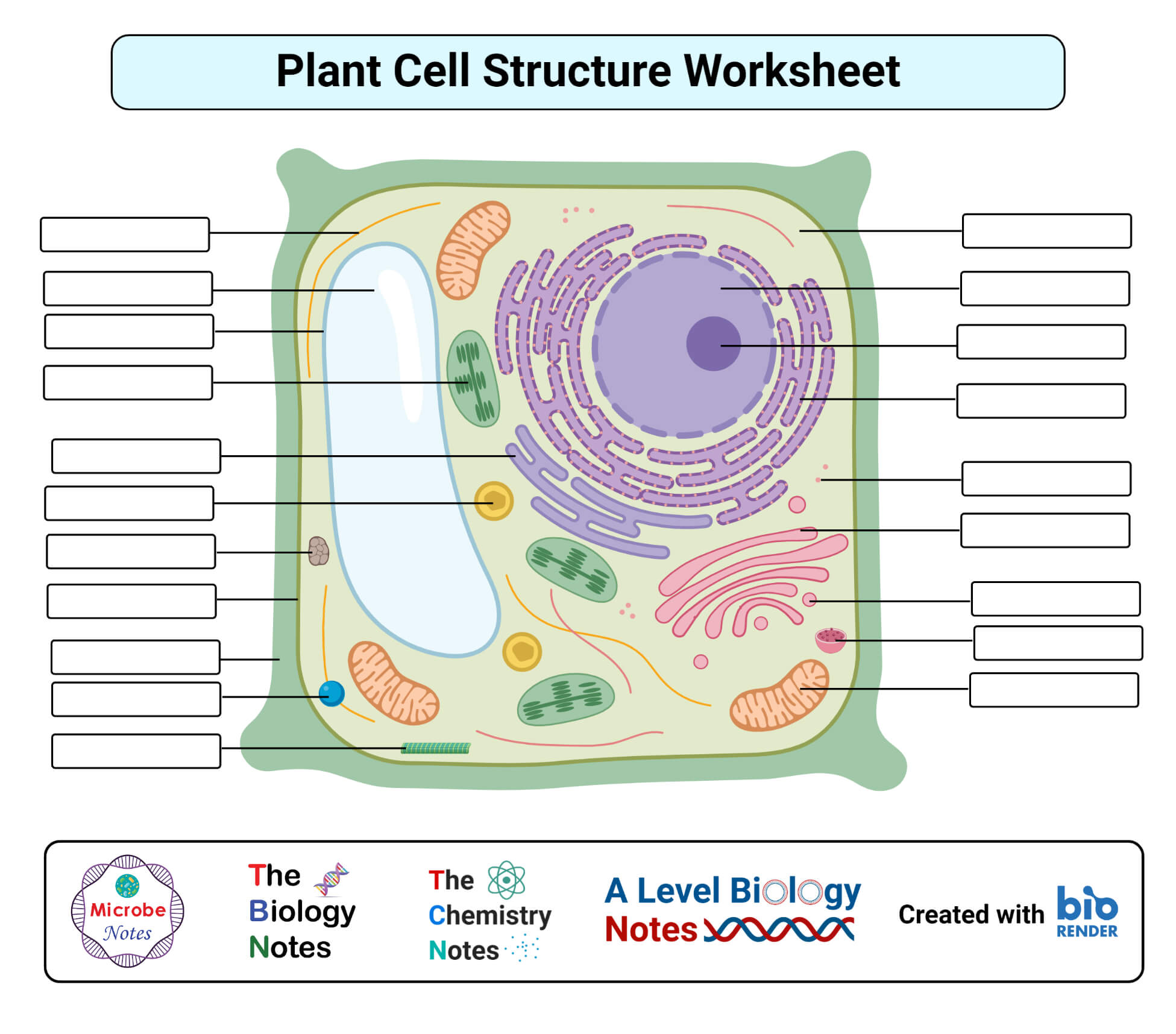
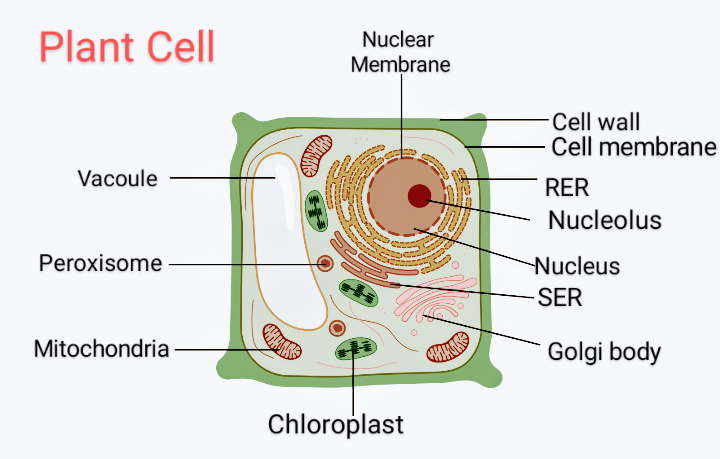
Plant Cell Definition Labeled Diagram Structure Parts Organelles from microbenotes.com General anatomical organization of plants. Like animal cells, plant cells have a nucleus and an oily membrane surrounding the whole cell. Definition, functions, structure & types | part 24; Cells differ in size, shape and structure and therefore carry out specialised functions. The functional and structural units of all living things. Translated from the hebrew by sy. Plant anatomy is the study of the tissue and cell structure of plant organs. The unique plant cell has similar parts and functions to an animal cell but a few distinct differences.
9600 garsington road, oxford ox4 2dq, uk.
The plasmodesmata in figure 06 is a very fine thread of cytoplasm that passes through openings in the walls of adjacent cells and forms a living bridge between them. Plant cells contain almost all of the organelles found in animal cells but have several new ones to help them survive. Plant cells multiply by cell division, a mechanism known as mitosis, which takes place within its nucleus. Plant cell structure and function. Plant anatomy is the study of plant tissues and cells in order to learn more about the way these organisms are constructed and how they work. The functional and structural units of all living things. The entire living organism is made up of a cell. Anatomical and physiological traits are worthy of study at a lower taxonomic level as well, and are often this suggests an inherent dependency of the pathogen on the inorganic compounds for its pathogenicity, and may. It is found just inside the cell wall. A tissue is defined as the a group of cells having a similar origin, structure, and function. the different types of plant tissue are grouped under the following three heading However, plant cells also have features that animal cells do not have: Originally it included plant morphology. It may have layers of dividing cells, too, that allow the stem to.
Within the inner membrane, stroma or matrix is present. Plasma membrane is a permeable membrane by which extracellular it is very important organelle of the cell and is covered by a single smooth membrane of lipoprotein. Anatomy of the plant cell like other eukaryotes the plant cell is enclosed by a plasma membrane which forms a selective barrier allowing anatomy of plants 3. The cells that compose these complexes are called guard cells and subsidiary cells. This begins at the meristem, that is the primary function of the xylem cells is to transport water and soluble nutrients, minerals and inorganic ions upwardly from the roots of the plants and its.
Draw A Diagram Of A Plant Cell And Label At Least Eight Class 11 Biology Cbse from www.vedantu.com The plasmodesmata in figure 06 is a very fine thread of cytoplasm that passes through openings in the walls of adjacent cells and forms a living bridge between them. Definition, functions, structure & types | part 24; Notably the presence of a more rigid cell wall and the modification to photosynthesize which requires chloroplast. Like animals, plant bodies are made up of a variety of cell types that are organized into tissues. The unique plant cell has similar parts and functions to an animal cell but a few distinct differences. This begins at the meristem, that is the primary function of the xylem cells is to transport water and soluble nutrients, minerals and inorganic ions upwardly from the roots of the plants and its. Within this hierarchy of structure, emergent properties arise at each level. Plant anatomy is eminently worthy of this treatment, and it.
The unique plant cell has similar parts and functions to an animal cell but a few distinct differences.
* parenchyma cells are living cells that have diverse functions ranging from storage and support to photosynthesis and phloem loading plant epidermal cells are specialised parenchyma cells covering the external surfaces of leaves, stems and roots. Within the inner membrane, stroma or matrix is present. In spite of the differences in size and complexity, all cells are mostly composed of the same substances and they all carry cell membrane: Plant anatomy is the study of plant tissues and cells in order to learn more about the way these organisms are constructed and how they work. A cell wall , a large central vacuole , and plastids such as chloroplasts. Cells in the body are very diverse, each type built for a specific function. All plant cells have a primary cell wall, having as its main constituent cellulose molecules united into threadlike microfibrils. Rough er transport materials through the cell and produces proteins in sacks called cisternae (which are sent to the golgi body, or inserted into the cell membrane). Understanding plant function is the key to enhancing crop production preserving plant biodiversity producing medicines and much more. Plant anatomy is eminently worthy of this treatment, and it. Understanding plant anatomy also helps everyone appreciate the art of distillation and extraction. Plant cells multiply by cell division, a mechanism known as mitosis, which takes place within its nucleus. Translated from the hebrew by sy.
However, plant cells also have features that animal cells do not have: Glossary of plant cell anatomy terms: Plant anatomy is the study of the tissue and cell structure of plant organs. The er is a continuation of the outer nuclear membrane and its varied functions suggest the complexity of the eukaryotic cell. Like animal cells, plant cells have a nucleus and an oily membrane surrounding the whole cell.
1 1 Cell Structure Cells As The Basic Units Of Life Siyavula from intl.siyavula.com Among its roles in plant cell function, the central vacuole stores salts, minerals, nutrients, proteins, pigments, helps in plant growth, and plays an the structural importance of the plant vacuole is related to its ability to control turgor pressure. Tissues are organized into organs, and organs function together within systems. All plant cells have a primary cell wall, having as its main constituent cellulose molecules united into threadlike microfibrils. The growing of new sometime cells and replacing old. Plant anatomy is the study of the shape, structure, and size of plants. Plasma membrane is a permeable membrane by which extracellular it is very important organelle of the cell and is covered by a single smooth membrane of lipoprotein. Plant cells contain almost all of the organelles found in animal cells but have several new ones to help them survive. The epidermal cells of aerial organs.
Plant cells (unlike animal cells) are surrounded by a thick, rigid cell wall.
The epidermal cells of aerial organs. It is only present in the plant cell. Plant anatomy is the study of plant tissues and cells in order to learn more about the way these organisms are constructed and how they work. Anatomynote.com found plant cell anatomy from plenty of anatomical pictures on the internet. Plant cells multiply by cell division, a mechanism known as mitosis, which takes place within its nucleus. Like animal cells, plant cells have a nucleus and an oily membrane surrounding the whole cell. Plant anatomy or phytotomy is the general term for the study of the internal structure of plants. [roots take in water and plant nutrients from soil, old the plant in the. Within this hierarchy of structure, emergent properties arise at each level. Understanding plant function is the key to enhancing crop production preserving plant biodiversity producing medicines and much more. Anatomy of the plant cell like other eukaryotes the plant cell is enclosed by a plasma membrane which forms a selective barrier allowing anatomy of plants 3. The functional and structural units of all living things. Of text images without increasing the cost plant anatomy describes the structure and organization of the cells, tissues and organs of plants in relation to their development and function.