Plant Vessel Cell Function : Transpiration Stream | BioNinja : National science education standards ucp.1, ucp.2, ucp.5;
byWilbert Phifer-
0
Plant Vessel Cell Function : Transpiration Stream | BioNinja : National science education standards ucp.1, ucp.2, ucp.5;. Both of these cell types are dead when they are used in the xylem. Sclerenchyma • strengthen tissues that have ceased. Parts and structure with functions. Plant cells have protective cell walls, composed mainly of structural carbohydrates. In some monocots like dracaena and yucca, vessels are cells are with very thick lignified secondary cell wall.
A cell is the basic unit of life in all organisms. Plants are also composed of infinite cells like animals and human beings. So, vessels and companion cells are the characteristic features of angiosperms and absent in gymnosperms, pteridophytes, and bryophytes. We all are well aware of the importance of cells in controlling the metabolism and other life processes which help sustain life. They are cells that have a distinct nucleus and other cellular organelles enclosed within a membrane and thus are eukaryotic in origin.
Permanent tissue: characteristics, types and functions ... from www.onlinebiologynotes.com Plants are also composed of infinite cells like animals and human beings. Distinguish among the functions of the. The function of the phloem tissue is to transport food nutrients such as sucrose and amino acids from the leaves and to all other cells of the plant, this is called translocation. We all are well aware of the importance of cells in controlling the metabolism and other life processes which help sustain life. C.1, c.5 (1 session, 1/2 block). Other articles where vessel cell is discussed: There are two types of xylary fibres, they are Amongst agricultural productions, wheat is the second most cultivated cereal plant worldwide.
Plants, like animals, have a division of labor between their different cells, tissues, and tissue systems.
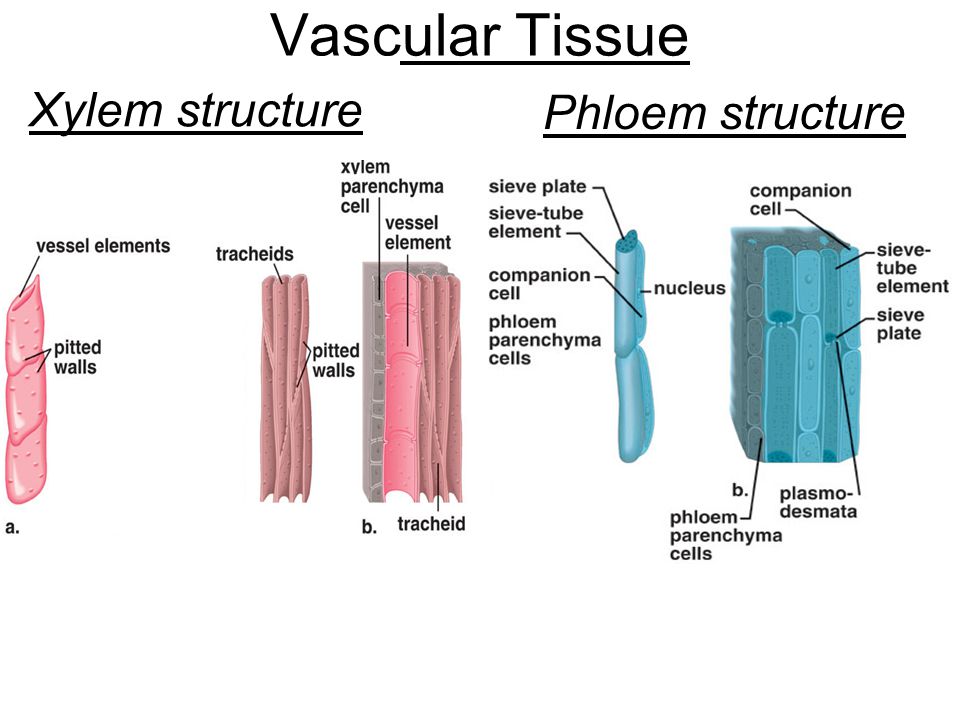
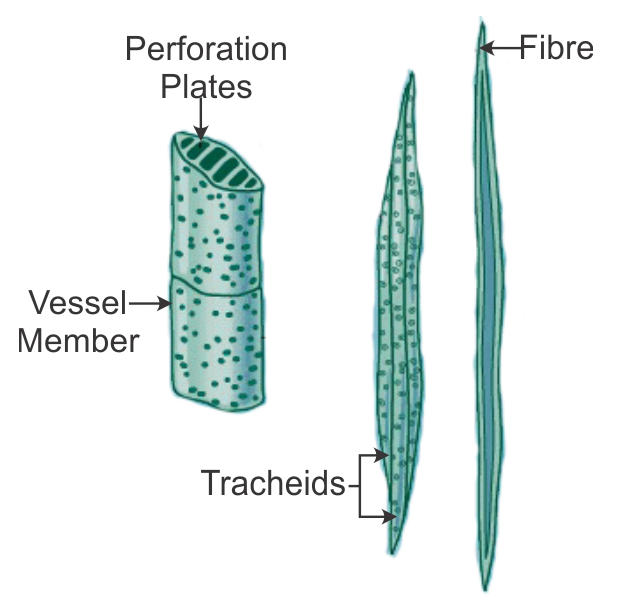
Their genetic codes are identical, but the genes (fragments of dna that encode a vessel element or vessel member (trachea) is one of the cell types found in xylem , the water conducting tissue of plants. Thereby, cells in the liver can perform a totally different function than cells of the lungs and pancreas. These vessels form a continuous pipe from the root to these xylem vessel elements were originally cells which died due to the buildup of a tough substance called lignin in their cell walls, and then lost their. Chapter 3 cell structure and function 3.2 cell specialisation in multicellular organisms. So, vessels and companion cells are the characteristic features of angiosperms and absent in gymnosperms, pteridophytes, and bryophytes. They are like blood vessels for the plant. C.1, c.5 (1 session, 1/2 block). Plant cells have protective cell walls, composed mainly of structural carbohydrates. They have a thick, strengthened cellulose cell wall with a hollow lumen. We all are well aware of the importance of cells in controlling the metabolism and other life processes which help sustain life. Stem cell function during plant vascular development. Both of these cell types are dead when they are used in the xylem. Vessel elements are typically found in flowering plants (angiosperms) but absent from most gymnosperms such as conifers.
Learn vocabulary, terms and more with flashcards, games and your answer should list the name of the features and describe their function in plant cells. Examples of specialised cells in plants and animals: Cells of the vascular system: Chapter 3 cell structure and function 3.2 cell specialisation in multicellular organisms. We all are well aware of the importance of cells in controlling the metabolism and other life processes which help sustain life.
2_Plant_Anatomy from preuniversity.grkraj.org Plants have about a dozen basic cell types that are required for everyday functioning and survival. They absorb mineral ions by active transport, against the. Notably the presence of a more rigid cell wall and the modification to photosynthesize which requires chloroplast. Parts and structure with functions. The vessel members originate from longitudinal stacks of cells. Plant cell parts each have their own function, from the cell wall to the chloroplast. In this section we will examine the three different tissue systems (dermal, ground, and vascular) and see how they function in the physiology of a plant. Stem cell function during plant vascular development.
National science education standards ucp.1, ucp.2, ucp.5;
Plant cells contain almost everything that animal cells do, and then several unique organelles. Vessel cells, which have evolved in several lines of fern evolution and are the principal vessel elements are barrellike cells with widths of up to 0.5 millimetre (0.02 inch) in some plants. Both of these cell types are dead when they are used in the xylem. Chapter 3 cell structure and function 3.2 cell specialisation in multicellular organisms. • usually dead at maturity when functioning • rigid support. They have a thick, strengthened cellulose cell wall with a hollow lumen. As the cell matures, this large central vacuole gradually develops as a result of fusion of smaller vacuoles that are derived from golgi apparatus and the endoplasmic reticulum. All the vessels are connected to each. Plant cells are the basic unit and building blocks of life in organisms of the kingdom plantae. Parts and structure with functions. Vessel elements are typically found in angiosperms (flowering plants) but absent from most gymnosperms such as conifers. Xylem vessels consist of dead cells. They absorb mineral ions by active transport, against the.
The central vacuole has a number of roles in plant cells, some of which include storing of salts, nutrients, pigments, minerals. Plants have about a dozen basic cell types that are required for everyday functioning and survival. C.1, c.5 (1 session, 1/2 block). As the cell matures, this large central vacuole gradually develops as a result of fusion of smaller vacuoles that are derived from golgi apparatus and the endoplasmic reticulum. The function of the phloem tissue is to transport food nutrients such as sucrose and amino acids from the leaves and to all other cells of the plant, this is called translocation.
What Is The Difference Between Tracheids And Vessels In ... from vivadifferences.com • transport water and mineral salts from roots to other parts. Vessel elements are tubular cells that transport water throughout the plant. Examples of specialised cells in plants and animals: The structure, functions, and parts of the plant cell wall model are explained in detail with a labelled diagram. So, vessels and companion cells are the characteristic features of angiosperms and absent in gymnosperms, pteridophytes, and bryophytes. Plants are also composed of infinite cells like animals and human beings. In this section we will examine the three different tissue systems (dermal, ground, and vascular) and see how they function in the physiology of a plant. A cell is a very basic structure of all living systems, consisting of protoplasm within a containing cell membrane.
Amongst agricultural productions, wheat is the second most cultivated cereal plant worldwide.
Vessel elements are typically found in flowering plants (angiosperms) but absent from most gymnosperms such as conifers. Stem cell function during plant vascular development. In some monocots like dracaena and yucca, vessels are cells are with very thick lignified secondary cell wall. Other articles where vessel cell is discussed: All the vessels are connected to each. • usually dead at maturity when functioning • rigid support. Sclerenchyma • strengthen tissues that have ceased. This biologywise article provides you with the structure of plant cells along with the functions of its constituents. Plants are also composed of infinite cells like animals and human beings. The unique plant cell has similar parts and functions to an animal cell but a few distinct differences. They absorb mineral ions by active transport, against the. The function of the phloem tissue is to transport food nutrients such as sucrose and amino acids from the leaves and to all other cells of the plant, this is called translocation. • transport water and mineral salts from roots to other parts.